Single-dose or hopper grinder: which fits your espresso routine?
The hopper-versus-single-dose choice is about how you want to store, weigh, and switch beans. Neither workflow automatically makes better espresso. Pick the one you can repeat comfortably, then check how the specific grinder implements it.
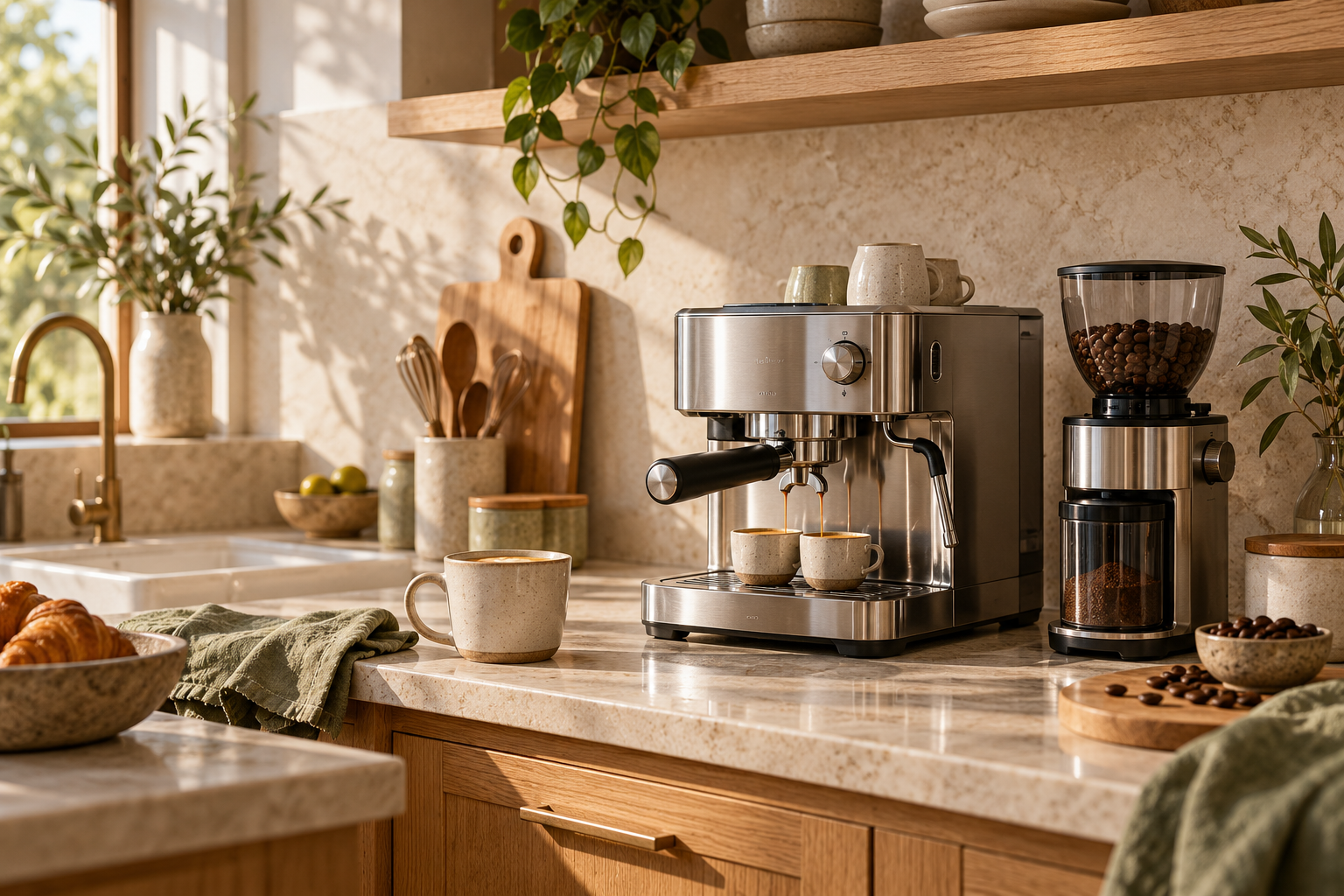
What the two routines look like
| Routine | Typical steps | What to evaluate |
|---|---|---|
| Hopper-fed | Keep beans in the hopper, choose a dose control, grind into the portafilter or cup, and refill as needed. | Hopper capacity, timer or weight-based controls, dose adjustment, lid/storage, and cleanup. |
| Single-dose | Weigh a portion, add it to the grinder, grind, then weigh or inspect the output according to your routine. | Bean-weighing step, dosing cup, bellows if included, grounds path, and the maker’s cleaning guidance. |
These are broad patterns. Some grinders support both. Read the manual to see exactly what the model allows; a removable hopper does not by itself make the grinder a purpose-designed single-dose model.
Decide based on how often you switch coffee
If you usually buy one coffee at a time and several people make the same drinks, a hopper-based routine may reduce handling. If you like switching between coffees, roast dates, or recipes, weighing a separate portion can make it easier to track which beans went into a shot. Consider whether the extra weighing step feels useful or fussy at your normal brew time.
In online owner discussions, some people prefer the speed of hopper dosing while others value changing beans and weighing each portion. Those are personal workflow reports, not controlled evidence that one method is more consistent or fresher for every grinder.
Compare convenience and cost honestly
- For timed dosing, ask whether changing grind size or beans means adjusting the timer for your preferred dose.
- For grind-by-weight, check the maker’s stated measurement method, claimed accuracy, calibration, and service support.
- For single dosing, include a scale or dosing cup if they are not already part of your setup.
- Check storage and cleaning instructions; do not assume beans should be stored in a grinder hopper for a particular length of time.
- Measure the grinder with its hopper or single-dose attachment installed and allow room to access it.
Compare the full machine-and-grinder budget with our setup planner and grinder selection guide.
Questions to answer before buying
- Do I use one coffee at a time or regularly switch between several?
- Do I prefer to weigh beans, set a timer, or let the grinder weigh a dose?
- How many drinks do I make per session, and who else uses the grinder?
- Can I access and clean the hopper, chute, and burr area as the manual describes?
- Does the grinder support espresso adjustment independently of its dosing style?
Sources and limits
For model-specific operation and cleaning, use the manufacturer manual for the grinder you shortlist. A home-barista discussion of hopper and single-dose preferences illustrates that routines differ; comments are anecdotal and not a product test.
We do not claim that either design yields better taste, less waste, or greater consistency in every setup. We have not tested these grinders. No affiliate links or sponsored placements.