Buying a used espresso machine: questions to ask before paying
A lower asking price can be useful only if the machine, grinder, accessories, and service history suit you. This checklist helps compare a private sale with a refurbished offer while keeping the exact model and seller terms in view.
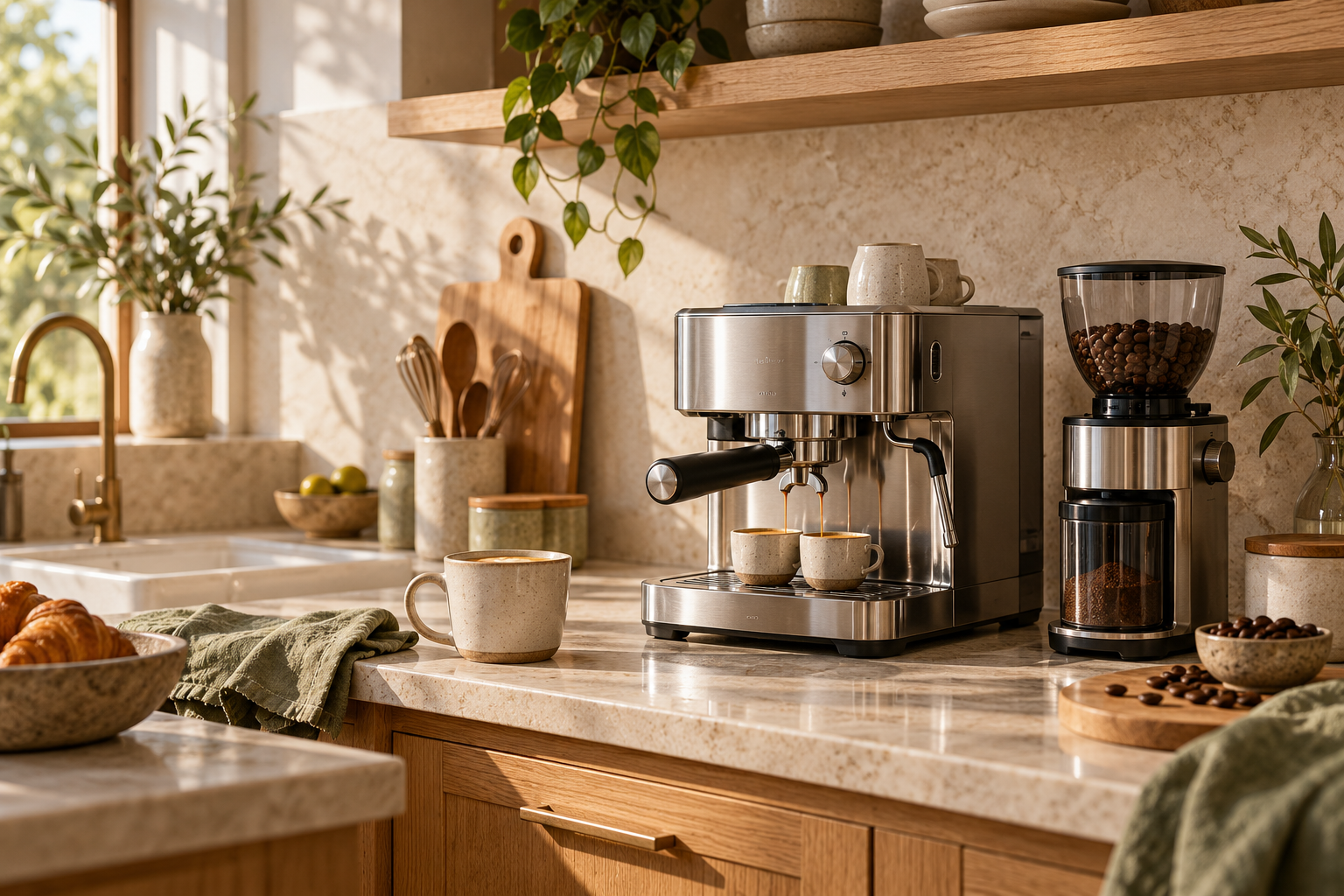
Before meeting the seller
- Get the full model number, generation, voltage, and serial label photo; compare them with the manual and your local electrical supply.
- Ask when and where it was bought, whether a receipt is available, and whether the manufacturer warranty can transfer.
- Ask what water was used, when the machine was last cleaned or descaled, and whether any repairs or warning lights occurred.
- Request a clear list of included items: portafilter, baskets, tamper, milk jug, water tank, grinder or hopper, and tools.
- For a refurbished offer, ask who performed the work, what was replaced, who handles future service, and what the warranty covers.
Answers are useful history, not proof of internal condition. Save the listing and seller messages so you can compare the description with the delivered item.
Inspect the machine while it stays assembled
If the seller agrees, ask them to start it from cold and demonstrate ordinary functions using the maker’s instructions. Look for visible cracks, corrosion, damaged cables or plugs, missing parts, water around accessible connections, unusual warning lights, and a steam wand that does not behave as the manual describes. Check that the buttons, tank, drip tray, and portafilter fit and operate normally.
Do not open the casing or attempt an electrical repair during a purchase inspection. If a machine trips power, smells burnt, leaks from its body, or the seller cannot safely demonstrate it, stop the inspection and seek a qualified service opinion before paying. An at-home demonstration cannot establish the machine’s full condition.
Compare the offer and protections
| Offer type | What to confirm in writing | What remains uncertain |
|---|---|---|
| Private used sale | Exact item and included parts, seller's stated condition, payment and collection terms. | Warranty, return rights, internal wear, service history if records are missing. |
| Retailer refurbished | Refurbisher identity, inspection or parts work, warranty length and coverage, return window. | What work was actually done and how future repairs are handled. |
| Open-box or display unit | Whether it is complete, who is the seller, and whether standard warranty/returns apply. | Prior use, missing parts, cosmetic or handling wear. |
Terms depend on seller, location, and offer. Read the actual written policy; do not assume “refurbished” means manufacturer-refurbished or includes a standard warranty.
Use total cost, not discount percentage
Compare the used price plus likely missing accessories, grinder if needed, delivery, tax, and a possible service visit against a new or refurbished alternative with known terms. Ask a local authorized service shop for an estimate if the history is incomplete. If the total gets close to a protected offer, the extra protection may be worth comparing.
Keep a reserve for wear items only after you identify the model and obtain a credible parts estimate. Avoid assigning a precise repair budget based on generic internet estimates.
Walk-away questions
- Can you identify the exact model and confirm parts or manuals are available?
- Can the seller explain the machine’s history and demonstrate it safely?
- Do you know who you can contact if it fails soon after purchase?
- Can you afford the machine and any likely missing grinder or accessories?
- Are payment, collection, warranty, and return terms clear before money changes hands?
Compare the setup budget with our planner and check the footprint using the cabinet measurement guide.
Sources and limits
Use the exact product’s official Breville support, warranty, and manual links as a model-specific example of where to confirm documentation and service information. Other makers have different policies; check the actual manufacturer and seller for your region.
This checklist is general buying guidance, not an inspection certification. We have not tested or inspected any secondhand machine and make no claim about its condition. No affiliate links or sponsorships.